Is a Home Paternity Test the Right Choice for You? Advantages and Disadvantages
The choice to utilize a home paternity test is complex. It provides ease and discretion, attracting individuals in search of prompt results. However, the potential for errors and psychological impacts can make things more difficult. Moreover, such tests hold no legal standing, prompting concerns regarding their validity. Grasping these considerations is of utmost importance. What might be the best course of action for individuals facing such dilemmas?
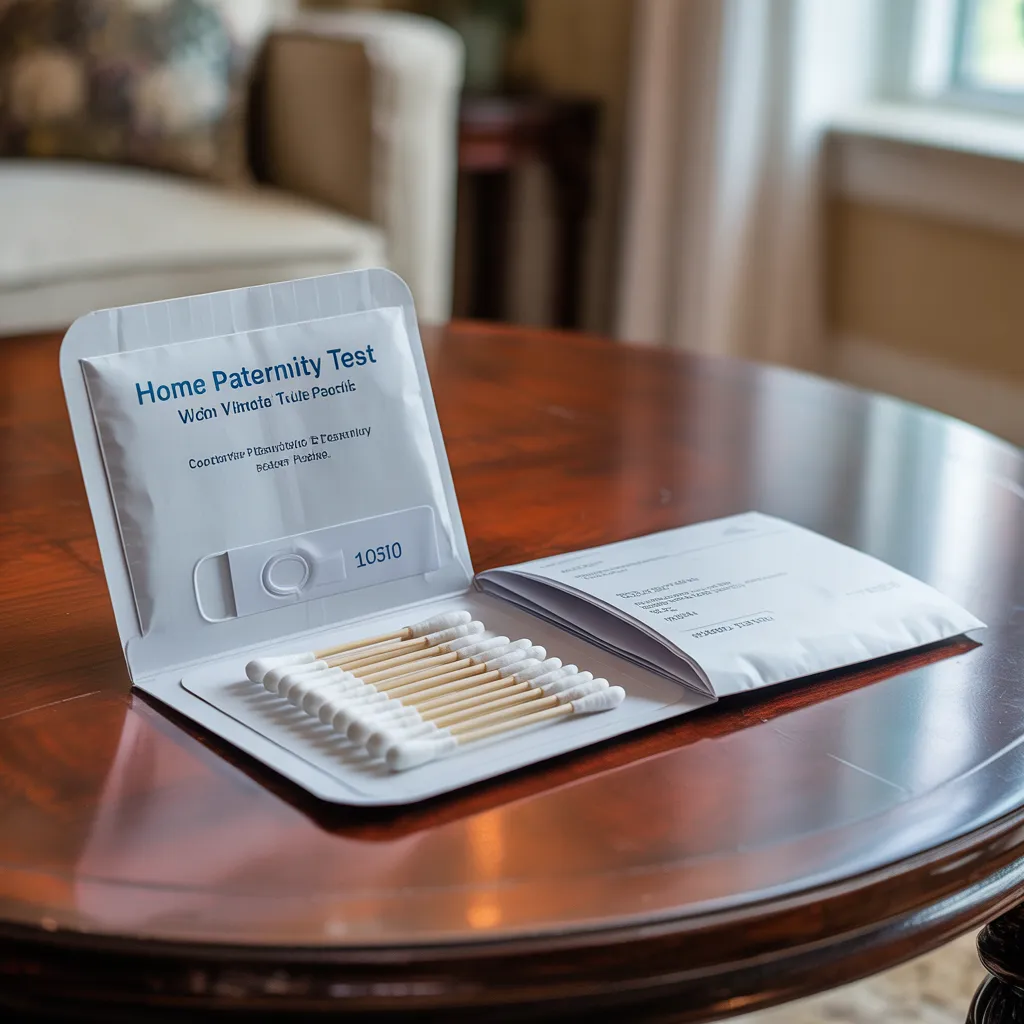
The Way Home Paternity Tests Function
At-home paternity tests streamline the procedure for establishing genetic connections through a simple method. In most cases, these tests include obtaining DNA material from the individuals involved, typically using buccal swabs. Users follow the provided instructions to ensure correct sample gathering and processing. Once samples are secured, they are sent to a designated laboratory for examination.
In the lab, DNA is extracted and compared to evaluate biological connections. The testing process employs sophisticated technology to pinpoint markers that suggest a hereditary link. Outcomes are generally provided within a couple of days, bringing resolution to those seeking answers about parentage.
Whereas home paternity tests deliver ease of use and privacy, it is important for people to understand that these tests are intended for informational purposes and may not hold legal standing. Those seeking documented findings for legal proceedings may need to obtain accredited testing from certified facilities.
The Advantages of Home Paternity Testing
What makes at-home paternity testing? Numerous people value the ease and discretion that these tests provide. Home paternity testing allows for discreet sample collection, usually involving simple cheek swabs, which can be completed without the need for a clinical specialist. This ease of access enables individuals to acquire results on their own schedule and within a comfortable setting.
Moreover, home tests are generally less expensive relative to laboratory tests, making them a compelling option for those looking to save money. The processing time for results tends to be speedier, generally offering answers within a matter of days.
Additionally, these tests can alleviate emotional doubt by offering clarity regarding paternity, which can be highly important for personal and legal circumstances. Overall, at-home paternity tests offer a convenient solution for individuals see the facts seeking answers while avoiding the complexities of formal testing facilities.
The Hazards of DIY Paternity Testing
Although home paternity testing offers considerable convenience, potential risks should not be overlooked. A primary concern involves the reliability of test results. Home tests may not always adhere to the same rigorous standards as laboratory tests, potentially producing misleading or erroneous results. Furthermore, incorrect sample gathering can undermine the accuracy of the findings, since contamination or poor handling practices may distort the outcomes.
An additional risk concerns data privacy and security. Many home testing kits require users to submit personal information, which could be vulnerable to breaches or misuse. Furthermore, users may experience unanticipated emotional impacts, since results may trigger family disputes or emotional distress.
Lastly, the legal considerations of home paternity tests should be considered. Results from these tests may not be valid in a court of law, limiting their value in legal proceedings. All things considered, while home paternity testing presents accessibility, the related risks warrant careful consideration.
Emotional and Juridical Aspects of Paternity Testing
Comprehending the legal and emotional considerations of paternity testing is crucial for individuals contemplating a home-based test. The emotional impact from discovering unexpected results can be profound, impacting connections among parents, children, and extended family members. It is important for individuals to prepare for likely sentiments including anger, anxiety, or confusion that can emerge following the paternity test findings.
Legally, the ramifications can also be significant. The results of a home paternity test may not be admissible in court, which could complicate custody or child support proceedings. As a result, individuals thinking about these tests should seek legal counsel to fully understand their rights and options. Additionally, determining paternity can create legal obligations concerning child support and inheritance, adding another layer of complexity. At the end of the day, carefully weighing both the emotional and legal factors is essential to effectively navigating the potential outcomes of paternity testing.
Is a Home Paternity Test Right for You?
Evaluating whether a home paternity test is the right choice necessitates a thorough assessment of multiple considerations. People considering this choice should evaluate their motivations, as emotional implications can be significant. Home testing provides both convenience and discretion, but it does not carry the legal validity of professional lab tests, which are often required for custody or support cases.
Additionally, accuracy is an important consideration; while most home testing options are dependable, variations in results can happen. Users should also evaluate the likely influence on household dynamics, as test outcomes may trigger unanticipated repercussions. Additionally, the financial value of home testing should be evaluated against the possible requirement for subsequent legal verification.
In the end, a careful evaluation of personal circumstances, emotional readiness, and long-term consequences is necessary. Consulting with a professional may help clarify the situation, allowing individuals to make a well-informed choice about whether a paternity test at home aligns with their needs.
Questions We Often Receive
How Reliable Are Home Paternity Tests When Compared to Laboratory Tests?
At-home paternity tests generally provide precision rates of over 95%, comparable to professional lab testing. Nevertheless, elements such as specimen quality and testing procedures can influence results. To obtain conclusive results, certified lab analysis continues to be the gold standard.
Can I Trust the Privacy of Home Paternity Test Results?
Trust in the privacy of home paternity test results fluctuates by organization. Trustworthy providers implement rigorous confidentiality measures, but individuals should examine policies and customer feedback to confirm personal information remains safe throughout the experience.
What Is the Cost Range for Home Paternity Tests?
At-home paternity tests usually range from $100 to $500, according to the service provider and the intricacy of the testing process. Additional expenses may occur for rush results or specialized testing options, affecting the total cost.
How Much Time Does It Take to Receive Results From a Home Test?
Findings from a home paternity test are typically available in anywhere from three to seven days. Some providers can offer expedited options, returning results in as little as one to two days, depending on the lab's processing capabilities.
Are Home Paternity Tests Legal in All States?
Home-based paternity tests are broadly legal throughout all states; however, specific regulations and guidelines may vary. Individuals must verify applicable local laws and confirm compliance with all necessary legal requirements prior to proceeding.