Paternity Testing Made Easy: A Starter's Guide to At-Home Kits
Paternity testing has advanced considerably, now providing home kits that streamline the process for people seeking answers about biological connections. These kits offer a practical solution, using easy-to-follow methods for gathering samples. Understanding how these tests work and what the results signify is essential. As families work through both personal and legal considerations, understanding the next steps can be equally important. What factors should one weigh before reaching a decision?
What Does Paternity Testing Mean?
Paternity testing is a scientific process designed to identify the biological father of a child. This procedure generally requires the analysis of genetic material, including DNA, from both the child and the presumed father. Through the comparison of distinct markers within the DNA, specialists are able to determine the probability of paternity with remarkable precision.
The most widely used form of paternity testing is the genetic test, which evaluates genetic markers. In the majority of cases, the findings can indicate paternity with greater than 99% precision if the man is the father by biology, and nearly 0% if he is unrelated.
Paternity testing serves multiple purposes, including legal issues such as custody disputes, inheritance claims, and personal motivations for confirming family relationships. Overall, it delivers an objective method of establishing paternity, offering clarity in complex emotional and legal situations related to parentage.
How Do Home Paternity Test Kits Work?
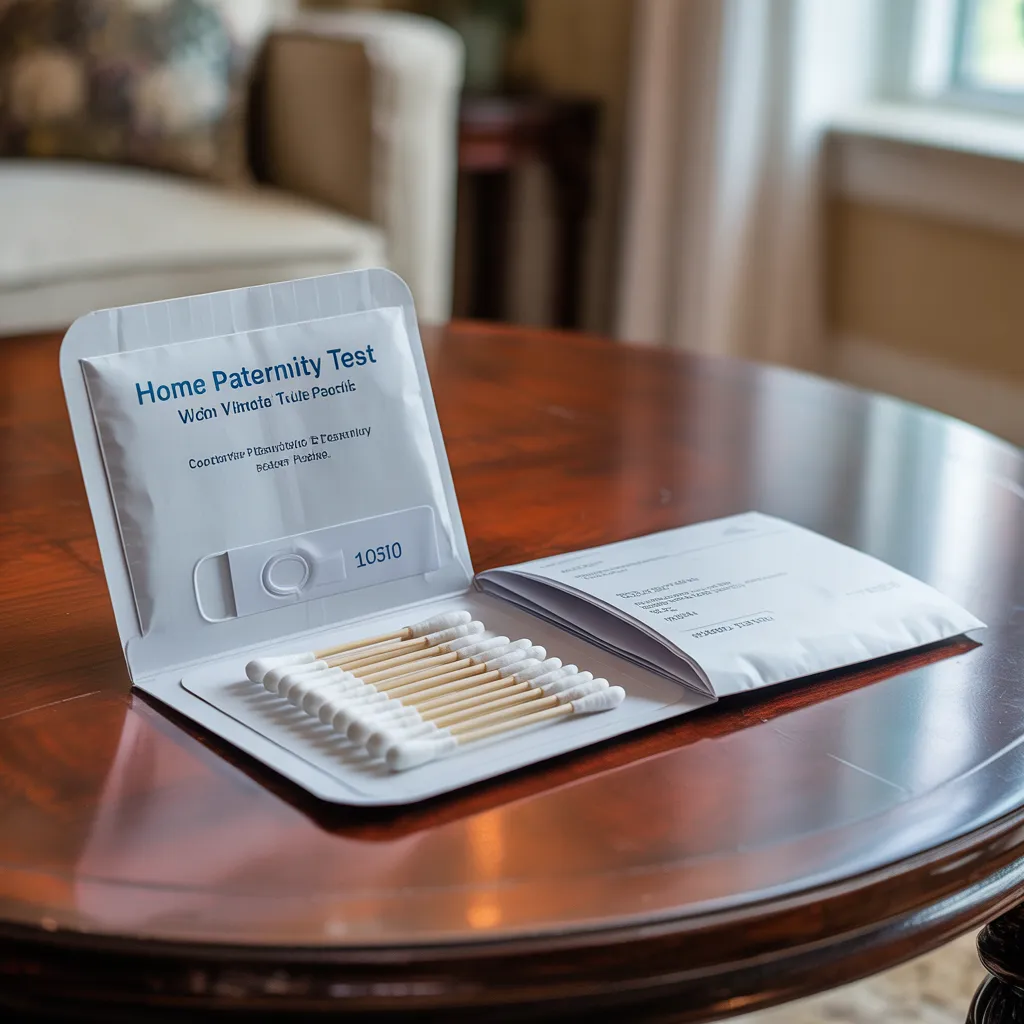
Residential paternity testing kits deliver an accessible option for those wishing to determine biological relationships without the need for visiting a lab. Such kits generally contain oral swabs or sample collection tools, enabling users to collect DNA samples easily. The procedure commences as all participants collecting cells from inside their cheeks to retrieve cellular material. Once samples are collected, they are placed in provided containers.
Users then send these samples to a designated laboratory for examination, often included in the kit's instructions. The laboratory extracts DNA from the samples and compares specific genetic markers between the potential father and child. Results are generally available within a few days and can indicate whether a biological relationship exists with a significant degree of certainty. Home paternity test kits provide privacy and ease, making them a common solution for those navigating sensitive family dynamics.
Selecting the Best Paternity Test Kit
Selecting the appropriate paternity test kit involves recognizing key factors that impact sample collection methods and accuracy. Reliability can fluctuate greatly between testing kits, making it essential to evaluate the reliability of the testing process. Additionally, the ease and effectiveness of sample gathering are vital for ensuring reliable findings.
Key Factors in Test Kit Accuracy
When evaluating a home paternity testing kit, precision is essential, as it directly impacts the trustworthiness of the findings. Various factors can influence the precision of these testing kits. Initially, the standard of the genetic markers employed is essential; a greater number of markers generally produces more dependable results. Second, the standing of the manufacturer is highly important; well-known manufacturers commonly maintain stringent testing procedures. Third, the certification of the testing facility ensures that proper procedures are followed. In addition, the risk of contamination when handling samples may compromise accuracy, making it essential to follow instructions meticulously. In conclusion, proper storage conditions for both the kit and samples can also influence outcomes, highlighting the significance of choosing a premium kit for reliable paternity determination.
Sample Collection Methods
Precise outcomes in paternity testing rely not solely on the kit's quality but also on the approaches applied to sample collection. Home paternity test kits typically utilize two primary sample collection approaches: cheek swabs and blood samples. Cheek swabs are the most common choice, as they are painless, simple to use, and yield adequate DNA for examination. Users merely swipe a swab inside the cheek to collect epithelial cells. Conversely, blood samples tend to yield a larger DNA output but necessitate additional knowledge for obtaining and managing. It is essential for users to comply carefully with the kit's directions to avoid contamination or improper collection, ensuring the reliability of the test results. Opting for the correct approach substantially affects the overall accuracy of the paternity test.
A Step-by-Step Guide to Using Your Kit
Understanding the correct method for employing a paternity test kit is essential for accurate results. The following guide details the important steps: setting up for the testing process, gathering samples properly, and submitting those samples for testing. Adhering to these guidelines will guarantee a seamless testing experience and accurate conclusions.
Preparing for the Test
Preparing for a paternity test demands thorough preparation and compliance with established guidelines. Initially, participants should read the instructions provided with the test kit thoroughly to become well-acquainted with the procedure. It is vital to collect all required materials, ensuring that everything is clean and organized. Participants should also select an appropriate setting that is peaceful and conducive to focus to ensure full attention during the test. Furthermore, it is advisable to plan the timing of the test, as certain conditions, such as eating or drinking, may affect sample collection. Lastly, mental preparedness is important; those involved should brace themselves for the findings, as they may profoundly impact all individuals affected.
Collecting Samples Correctly
After this step, the person providing the sample should rub the sample swab against the inner cheek surface for about 30 seconds, making sure a substantial amount of cellular material is gathered. After swabbing, the collection swab should be inserted in the provided storage tube without touching other surfaces.
It is recommended to ensure each sample is properly labeled, noting the individual's name and date. Lastly, samples must be handled carefully to ensure their integrity is maintained before they are sent for analysis.
Sending Samples for Analysis
Once mailed, tracking the shipment can provide peace of mind. When the lab receives the samples, the analysis begins. Results typically take a few days to weeks, based on the laboratory provider. Following these steps diligently maximizes the likelihood of receiving reliable and conclusive paternity results.
What Your Results Really Mean?
Comprehending paternity test results can be a defining moment for numerous people. The results typically display a percentage probability demonstrating the probability of a biological connection between the tested parties. A result of at least 99% generally confirms that the male subject is the biological father, while a reduced percentage suggests the possibility of non-paternity.
It is essential to contextualize these results within the framework of the testing process. Most residential testing kits leverage DNA evaluation, which is highly accurate, but inconsistencies can emerge based on specimen quality and laboratory conditions.
Moreover, findings may contain information on hereditary markers that can shed light on ancestry and inherited traits. Individuals ought to review these findings with care, acknowledging their possible emotional significance and the intricacies of family dynamics. Comprehending the significance of paternity findings can aid individuals in making informed decisions concerning their private lives and personal connections.
Utilizing Paternity Test Results in Court Cases
When navigating legal proceedings, the results of paternity tests can act as crucial evidence in confirming biological connections. These results are particularly important in matters related to child support, custody disputes, and inheritance matters. Legal authorities commonly utilize scientifically confirmed paternity results to settle disputes concerning a child's parentage, offering a solid foundation for judicial rulings.
When introduced in legal proceedings, the correctness and trustworthiness of the test are of utmost importance. Court-admissible paternity tests typically require strict chain-of-custody procedures to guarantee the integrity of the collected samples. This compliance with established protocol reinforces the admissibility of the outcomes in legal proceedings.
Moreover, the psychological consequences in such circumstances can be high, affecting both parents and their children. Therefore, understanding the implications of the results of paternity tests is vital for all parties involved. Ultimately, these tests can greatly affect the outcomes of legal proceedings, making certain that genetic relationships are identified and properly handled in legal terms.
What to Do After You Get Your Results
Obtaining paternity test results can be a pivotal milestone, professional tips encouraging individuals to assess their course of action. If the results establish paternity, the individual may look into initiating discussions about parental rights, responsibilities, and potential relationships with the child. It is essential to approach these conversations with empathy and an open mind.
Conversely, if the results indicate no biological connection, those involved may need to work through a variety of emotions. Seeking support from friends, family, or professionals can be helpful. Additionally, grasping the significance of the outcome is necessary, especially if legal or financial issues come into play.
No matter the result, it is important for individuals to keep a written record of the results and related information. Consulting with legal professionals can provide clarity on any necessary actions, especially when matters of custody or child support become involved. Ultimately, careful reflection and informed decision-making are essential in maneuvering the aftermath of paternity test results.
Commonly Asked Questions
How Accurate Are Home Paternity Tests Compared to Lab Tests?
At-home paternity tests are able to provide an impressive level of accuracy, in many cases matching lab tests. Nevertheless, elements including sample collection quality and procedural factors may influence test results, so consulting a professional lab for testing remains recommended for definitive conclusions.
Can I Use a Home Kit for Legal Purposes?
Home-based paternity test kits typically cannot be used for legal proceedings. Legally admissible tests require stringent chain-of-custody guidelines and must be performed by certified laboratories to ensure the results are accepted in a court of law.
How Long Do Results Typically Take?
Home paternity testing kit results typically take three to five business days. Variables that impact this turnaround time include the laboratory's processing speed and the condition and quality of the samples provided for testing.
Is There an Age Limit for Testing?
Paternity testing does not have a specific age requirement. Individuals of any age, including newborns, can be tested. That said, minors undergoing the procedure will typically require consent from a legal guardian.
What if the Alleged Father Is Unavailable for Testing?
If the alleged father is unavailable for testing, alternatives include using a close relative's DNA, such as a sibling or parent, or exploring legal options to require participation to ensure an accurate paternity result.