From Specimens to Findings: The Journey of a Home Paternity Test
The method behind a home paternity test follows a series of systematic steps, commencing with the gathering of specimens. Cheek swabs from both the alleged father and child serve as the basis for DNA analysis. After the specimens arrive at the lab, cutting-edge procedures are utilized to evaluate genetic markers. The results can reveal critical information about biological relationships, yet the consequences of these results can be far-reaching. Understanding the journey from samples to results is essential for all involved.
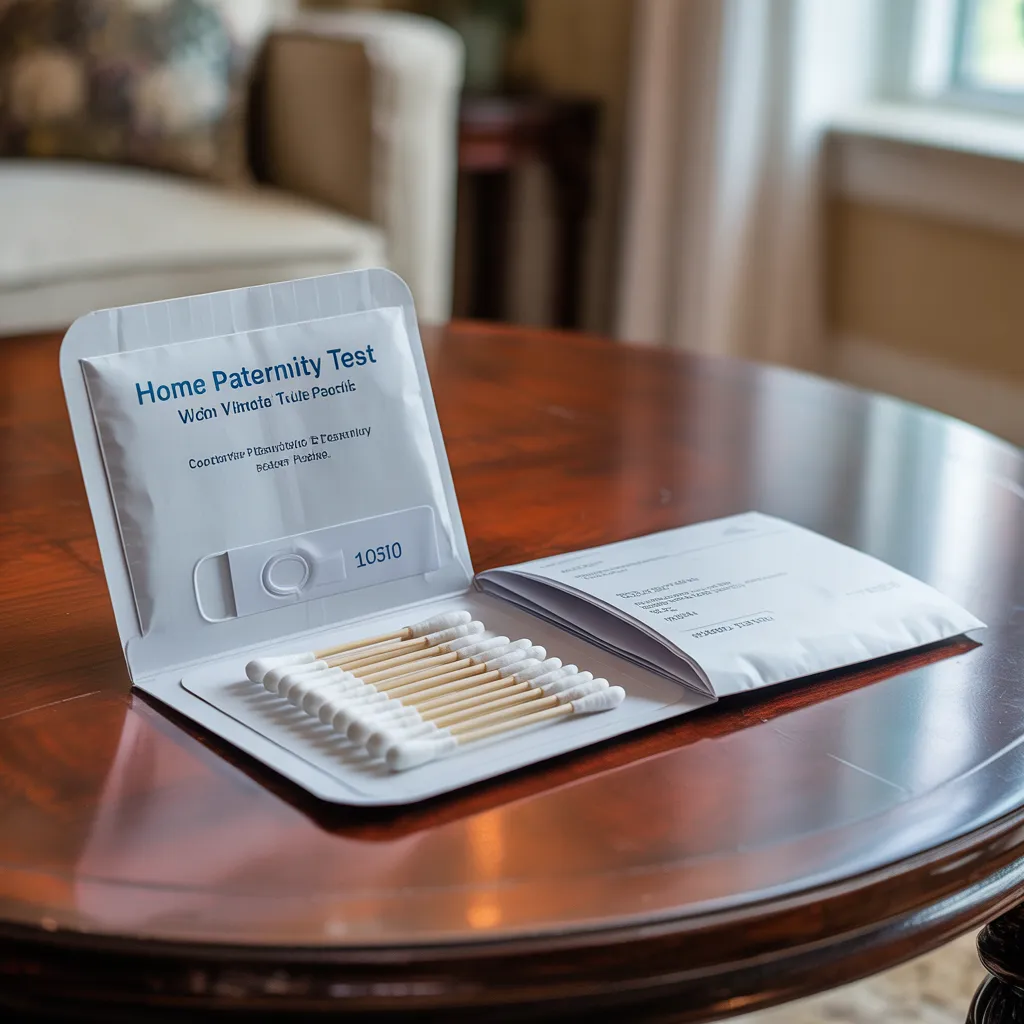
The Way Home Paternity Tests Work
Home paternity tests operate by employing straightforward yet reliable techniques to establish biological connections. These tests analyze DNA samples obtained from the relevant individuals, typically the potential father and the child. The procedure starts with the isolation of DNA from the collected samples, often taken from cheek swabs. The DNA is then analyzed to detect particular genetic markers that are derived from biological parents.
Each individual carries unique DNA, and by studying these genetic markers, the test can determine the probability of paternity. Findings are generally presented as a percentage reflecting the probability of a biological connection. A high percentage, generally exceeding 99%, indicates a strong likelihood of paternity, while lower percentages indicate a lack of biological connection. This accessible method allows people to seek clarity on familial relationships from the comfort of their own homes, rendering paternity testing more convenient than ever before.
Collecting Samples: Step-by-Step Instructions
Collecting samples for a paternity test is a straightforward process that necessitates careful and precise attention. Initially, all participants need to assemble the essential materials, which generally consist of buccal swabs, a set of instructions, and a sample collection envelope. Each individual involved should thoroughly wash their hands before starting to avoid any contamination.
Following this, the cheek swab is used to collect cells by carefully rubbing it against the inner cheek surface for about 30 seconds. This needs to be completed for each individual submitting a sample, taking care that the swabs avoid contact with each other. Once the samples have been collected, each person must permit the swabs to dry naturally for a few minutes.
When fully dried, the swabs should be placed in the supplied envelope, which needs to be labeled correctly. Finally, the finished envelope should be sent to the assigned laboratory for testing, making sure that all instructions are followed carefully to eliminate any complications during the testing process.
What Can You Expect During Testing?
After sending the samples to the laboratory, people can expect a systematic testing process that complies with stringent guidelines. Labs employ sophisticated DNA examination methods to ensure precise outcomes. Every sample is subjected to a thorough analysis, where DNA is carefully retrieved and processed to identify genetic markers.
The process typically involves analyzing the DNA profiles of the purported father and child. This comparison reveals whether there is a biological relationship, with findings produced through a combination of automated systems and manual reviews for quality assurance.
The complete process is designed to preserve integrity and confidentiality, with results safely stored and distributed only with permitted personnel.
In most cases, the testing process takes several days to a few weeks, depending on the laboratory's procedures and overall workload. Therefore, while people are waiting, they can feel certain that their specimens are being handled with the highest level of care and accuracy.
Decoding Your Home Paternity Test Results: What They Mean for You
How should one interpret the results of a home paternity test? Comprehending these results is essential for individuals seeking clarity regarding parentage. Usually, results are shown as a percentage probability, reflecting the chance of the tested male being the genetic father. A result exceeding 99% generally confirms paternity, while a result of under 1% indicates non-paternity.
In addition to the percentage, the document may contain a comprehensive breakdown of DNA marker data matched between the child and the purported father. Each marker reflects genetic commonalities, supporting the understanding of the findings.
It is crucial for those involved to explore approach the results with caution, recognizing their emotional impact. The consequences can be significant, impacting family bonds and individual identity. As a result, understanding these results is paramount not only for legal purposes but also for emotional and psychological well-being.
Ensuring Privacy and Accuracy in At-Home Testing
Correctness is equally essential; inaccurate findings may result in emotional hardship and legal issues. Labs must employ dependable techniques and follow established protocols to reduce mistakes. Detailed directions for sample procurement and submission serve to prevent contamination or incorrect identification.
Furthermore, people are advised to opt for credible testing providers that value both confidentiality and reliability. Transparency about testing procedures and information handling can build confidence. When focusing on these factors, users can engage with home paternity tests reassuringly, knowing their confidential information is kept safe while obtaining accurate outcomes that guide their individual choices.
Questions We Get Asked Often
Are At-Home Paternity Tests Accepted as Legal Evidence in Court?
Home-based paternity tests are typically inadmissible in court unless conducted under specific requirements, including proper chain of custody procedures and the use of accredited labs. Courts frequently mandate tests conducted by certified professionals for valid proof in judicial matters.
How Much Time Does It Take to Get Results?
The turnaround time for home paternity tests is typically between 2 to 5 business days. However, some companies may offer expedited services, potentially shortening this timeframe depending on the specific testing method employed.
Can I Perform a Test With Non-Biological Samples?
Certainly not, a paternity test will not be reliably carried out with non-organic samples. Solely biological specimens, such as saliva or blood, contain the necessary DNA for dependable results, confirming proper identification of biological relationships.
What Steps Should I Take if Results Are Inconclusive?
Should results prove inconclusive, one should consider retesting with new samples, ensuring proper collection and handling. Seeking guidance from a professional laboratory can offer clarity and expert guidance, enhancing the accuracy of the paternity determination process.
Are Testing Participants Subject to Age Restrictions?
Age restrictions do exist for those participating in testing. In most cases, a person must be at least 18 years old to submit samples on their own. Minors usually require consent from a legal guardian or parent before undergoing testing.