How Precise Are Home Paternity Tests? A Thorough Examination
At-home paternity tests have become increasingly popular due to their convenience and accuracy rates that reportedly exceed 99%. Nevertheless, their dependability depends on several key factors, including sample collection and testing methods. Even though these tests deliver discretion and affordability, they could fall short of meeting legal requirements. Understanding the nuances behind these tests is essential, particularly when unforeseen results occur. The course of action that follows can have a profound effect on personal connections and legal concerns.
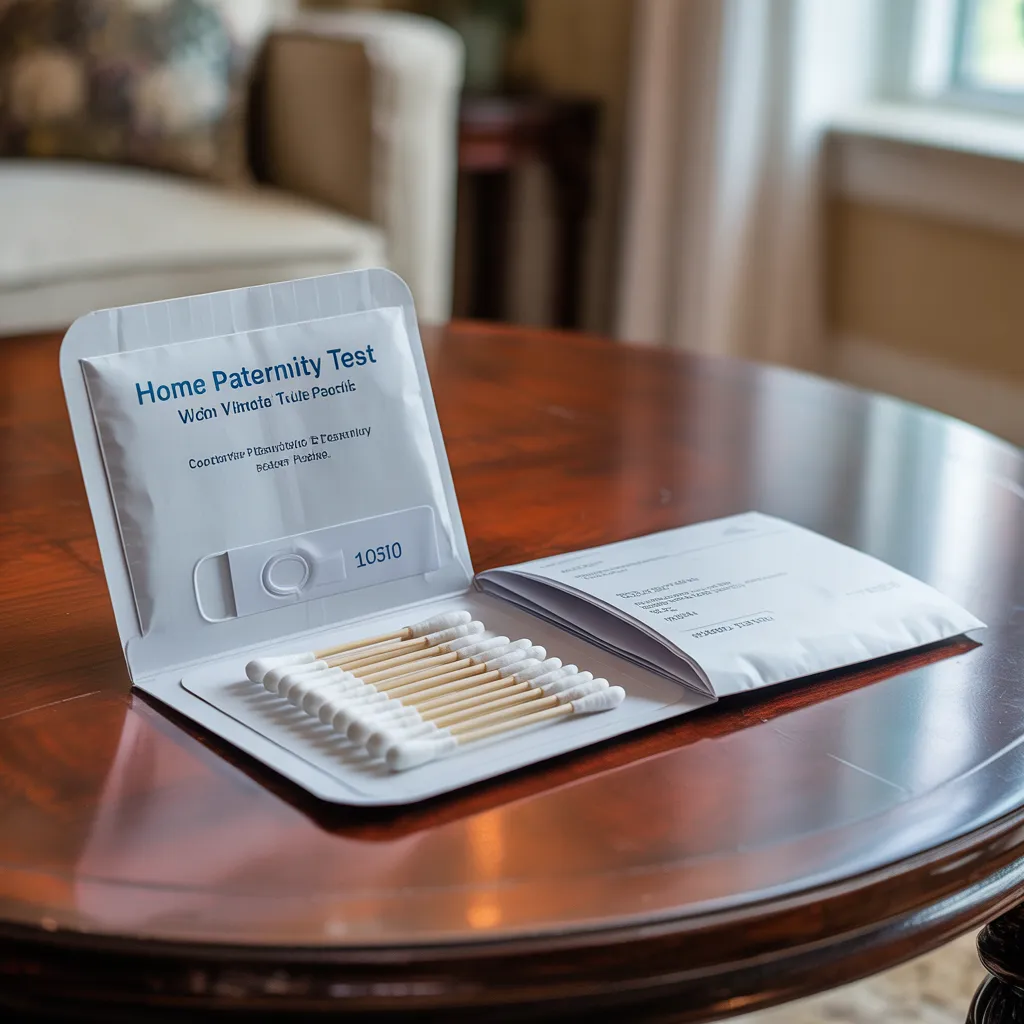
What Is a Home Paternity Test and How Does It Function?
At-home paternity tests provide an accessible option for individuals seeking to establish biological ties without having to visit a testing facility. These tests typically utilize a simple process that involves gathering DNA specimens, often through cheek swabs taken from the prospective father and the child. When the samples have been obtained, they are forwarded to a genetics laboratory, where comprehensive DNA analysis takes place.
The tests analyze specific markers in the DNA to confirm if there is a genetic link between the people being tested. Most at-home paternity test kits offer detailed instructions for gathering samples and tamper-proof packaging for sending samples. Results are usually available within a few days, allowing individuals to receive answers promptly. Even though these tests are widely available and straightforward, it remains important to assess the different elements that could affect their precision and dependability, which will be explored in subsequent sections.
Home vs. Lab Paternity Test Accuracy?
The precision of paternity testing can differ significantly between consumer testing kits and tests performed in certified laboratories. Home paternity tests typically claim to offer results with an accuracy rate exceeding 99%. However, these results are often contingent on correct sample gathering and following the provided instructions. Improper sample processing can produce misleading results.
On the other hand, lab tests utilize highly refined methodologies and strict quality controls, generally achieving accuracy rates that consistently exceed 99.9%. Accredited laboratories examine a greater number of genetic markers, which enhances the reliability of the results. Moreover, they deliver specialized evaluation of the data, reducing the likelihood of errors that can arise with at-home testing.
When all is said and done, while home tests provide convenience, laboratory tests deliver a higher level of accuracy and reliability, making them the recommended choice for people in need of definitive paternity confirmation.
Key Factors That Determine the Accuracy of Paternity Test Results
While many may assume that all paternity tests yield equally reliable results, a number of factors significantly affect their accuracy. The quality of the DNA samples collected plays an fundamental role; improper handling or contamination can lead to unreliable conclusions. Moreover, the specific testing methodology employed by different laboratories affects reliability. Some testing methods assess fewer genetic markers compared to others, which may produce less certain outcomes.
The timing of testing is also important; carrying out a test too soon during pregnancy may result in unclear findings. Moreover, rare genetic markers or mutations can make interpretations more complex. The emotional state of individuals involved can inadvertently impact sample collection, as heightened anxiety may cause mistakes during collection. In addition, the reputation and accreditation of the testing facility are crucial; accredited labs maintain strict quality protocols, delivering more trustworthy outcomes than less recognized providers. Together, these elements significantly influence the reliability of paternity test results.
Upsides and Downsides of Home Paternity Tests
How do home paternity tests measure up against conventional laboratory alternatives? Home paternity tests provide numerous benefits, including ease of use and confidentiality. They allow individuals to collect samples in the comfort of their homes, eliminating the need for medical appointments. Moreover, these tests are often more cost-effective than traditional laboratory options, making them attainable for a larger demographic.
Nonetheless, there are significant drawbacks. The accuracy of home tests can differ significantly, often depending on the brand and testing method. Unlike professional testing facilities, which maintain rigorous procedures, home tests may lack the same level of precision and reliability. Furthermore, results from home tests are generally not admissible in legal proceedings, restricting their applicability in official circumstances, such as custody disputes or legal proceedings. In the end, individuals should thoroughly evaluate these benefits and drawbacks before selecting a home paternity test as opposed to a professional laboratory assessment.
What Should You Do When Your Results Are Unexpected?
When someone gets unforeseen findings from a home-based paternity test, it is essential to consider the emotional consequences of this information. Understanding the feelings that arise can help in processing the situation effectively. Consulting linked resource a professional may also provide valuable support and clarity during this difficult period.
Assess Emotional Impact
The discovery of unexpected paternity test results can bring about a intricate spectrum of emotions, stretching from confusion to clarity. People often feel disbelief, confusion, or even anger, particularly if the results contradict longstanding beliefs or family narratives. These reactions are often heightened by concerns about personal identity and familial relationships. It is vital to accept these sentiments, as they can profoundly influence mental well-being. Working through the emotional aftermath may require time and introspection, giving people the opportunity to evaluate their circumstances and think about the meaning of the findings. Turning to reliable friends or family can provide essential support, while writing in a diary or exploring artistic activities may help in navigating these difficult sentiments.
Explore Professional Guidance
Unanticipated paternity test results can cause individuals to struggle with intense emotions, highlighting the importance of further support. In such cases, consulting a professional becomes a necessary step. A certified counselor or therapist can assist individuals in working through their emotions, offering a supportive setting to examine complex emotions such as confusion, anger, or disbelief. Moreover, meeting with a genetic counseling professional can shed light on what the test results mean, guiding individuals toward understanding their available choices. It is also recommended to discuss findings with a trusted family member or friend, so that the individual has support through this difficult journey. At the end of the day, professional support can promote healthier ways of coping and more informed choices in light of unexpected revelations.
Legal Impact of Home Paternity Testing Results
The legal status of home paternity test results can considerably affect a range of legal matters. Legal authorities routinely evaluate the reliability of these tests, which may influence decisions in custody cases and additional family law issues. Understanding these potential implications is essential for those contemplating at-home testing.
Legal Status of Results
Numerous people look into at-home paternity tests for the comfort and discretion they provide, but the legal status of such results can be complicated. Generally, results from home tests are not admissible in court, as they do not meet the strict chain of custody requirements required for legal proceedings. Legal systems frequently demand results from certified laboratories that adhere to strict guidelines to ensure precision and dependability. Additionally, at-home tests might fail to offer conclusive paternity evidence, especially in cases of contested results. This lack of legal recognition can lead to challenges when pursuing child support, custody arrangements, or inheritance claims. Consequently, while at-home paternity tests may provide early indications, individuals should be cautious regarding their legal implications and seek professional testing when legal issues may arise.
Potential Legal Repercussions
Outcomes from residential paternity tests can result in considerable legal repercussions, particularly when parties seek to introduce them in legal proceedings. Judicial systems generally mandate paternity testing conducted under strict protocols to ensure accuracy and evidence integrity. Therefore, findings from unsupervised home tests may be considered inadmissible in court. This can jeopardize legal matters such as child custody, inheritance disputes, or parental entitlements, as the legitimacy of the tests may be challenged. Additionally, depending on these outcomes can result in emotional and financial ramifications for the affected families. Grasping the constraints of home tests is critical, as incorrect reading of their results may cause extended legal battles or adverse judicial decisions. Expert legal counsel is necessary in addressing these complexities.
Impact on Custody Cases
How could home paternity test results affect custody decisions? The results from these tests can considerably affect legal decisions regarding child custody. When a home paternity test indicates a biological connection, it may strengthen a father's claim for custody or visitation rights. On the other hand, a negative result may weaken a father's position, possibly resulting in the forfeiture of parental rights or financial responsibilities. Courts commonly copyright established legal parentage; consequently, results from home tests may not qualify as definitive proof. That said, they can trigger further examination or investigation. Ultimately, while they offer insights, home paternity tests are not substitutes for formal legal processes, and their implications can vary based on jurisdiction and specific case circumstances.
Common Questions and Answers
Are Home Paternity Tests Legal in All States?
At-home paternity tests are typically legal across most states; though the rules and requirements may vary. Individuals should carefully review local laws and any particular requirements related to testing, above all when testing is intended for legal or formal purposes.
How Long Does It Take to Get Results?
Home paternity test results generally take between three to five business days from the time the laboratory processes the samples. Some companies may offer expedited options, potentially cutting down the processing time for those eagerly awaiting results.
Can Home Testing Be Used for Legal Purposes?
At-home paternity tests generally do not have the legal validation required for court use. They may provide reliable results for private information, but legally admissible results require testing carried out under strict chain-of-custody procedures by accredited laboratories.
Do Home Tests Require a Doctor's Supervision?
Home-based paternity tests do not require a doctor's supervision. Consumers can purchase and administer these tests without assistance, although consulting a healthcare professional may supply valuable guidance and enhance comprehension of the findings.
What Should I Know About Testing Multiple Times?
Conducting multiple tests may produce different outcomes due to factors like collection techniques and the timing of samples. Consistency is essential; differences in results may lead individuals to pursue professional testing for more reliable and accurate conclusions regarding paternity.