The Growth of At-Home Paternity Testing: Accuracy, Privacy, and Convenience
The rise of home paternity tests represents a notable transformation in how families approach the verification of parentage. With precision levels commonly reaching beyond 99%, such tests present a practical means for gathering genetic samples. However, underlying privacy concerns about DNA data are still widespread. As more people consider these tests, they must weigh the implications of accuracy, privacy, and emotional consequences. What elements should they focus on in making this important decision?
How Do Home Paternity Tests Work?
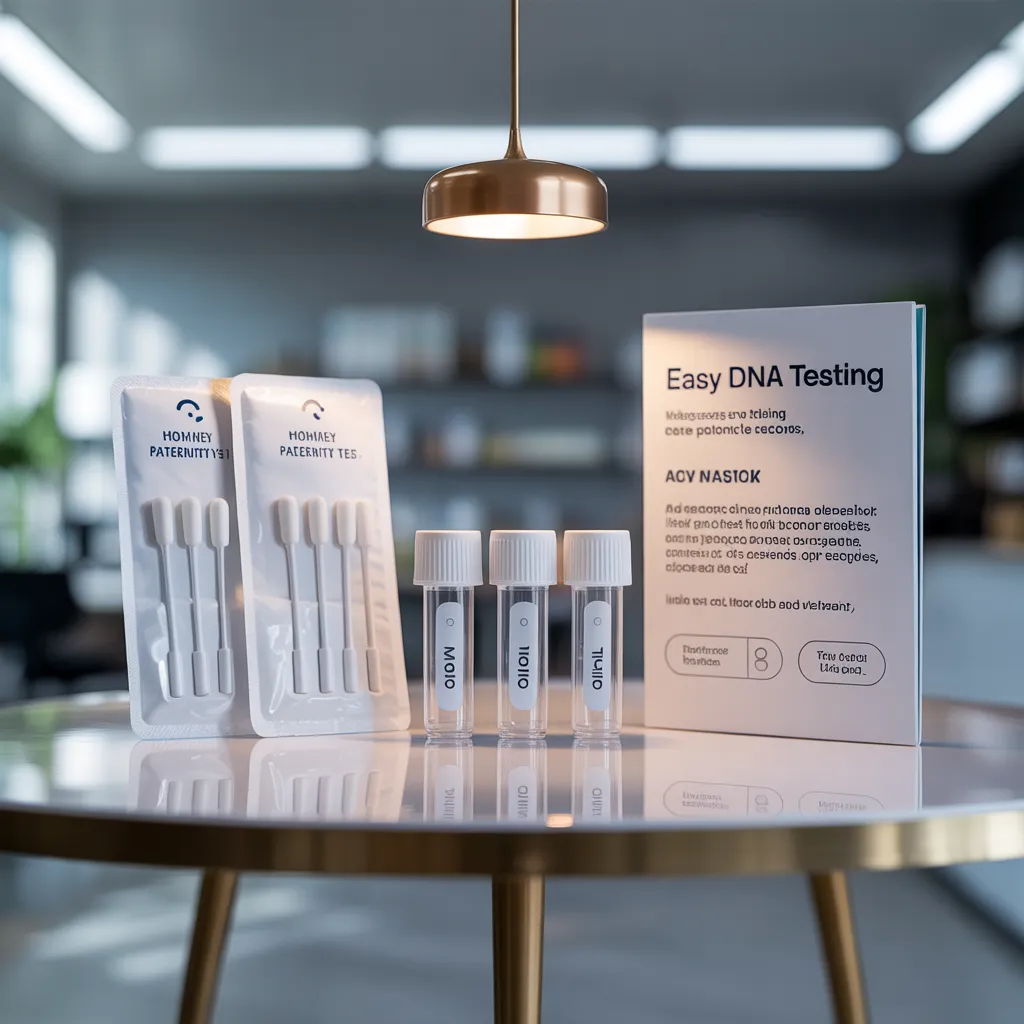
Home paternity tests typically function through a straightforward process valuable guide centered around collecting genetic material. Individuals receive a testing kit that includes swabs for collecting cheek cells, usually from both the prospective father and the child. Users are instructed to gently rub the swabs inside their cheeks in order to collect an adequate amount of genetic material. Following the collection of the samples, they are placed in designated containers and sent to a laboratory for analysis.
Within the lab, the DNA is isolated and studied to determine distinct genetic characteristics. The examination contrasts the DNA patterns of the child and the alleged father to determine paternity. Outcomes are generally provided within a few days, and the process is designed to be user-friendly, providing minimal stress. Home testing convenience attracts numerous individuals, permitting individuals to obtain clarity in the seclusion of their own home. This process underscores the test's growing popularity as a trustworthy solution for confirming paternity.
What Is the Accuracy of Home Paternity Tests?
What level of accuracy do home paternity tests provide in establishing biological relationships? In most cases, these tests are reported to deliver a high accuracy rate, commonly exceeding 99% when administered under the right conditions. They analyze DNA samples from the alleged father, child, and sometimes the mother, comparing genetic markers to establish a relationship. However, the accuracy can be influenced by factors such as sample contamination or improper handling.
Many home tests employ cutting-edge approaches comparable to those in clinical laboratories, yet they may be without the rigorous supervision associated with professional testing. Furthermore, results can differ between different brands or kits, underscoring the significance of selecting a reputable provider. While home paternity tests can provide a clear suggestion of genetic connections, individuals should approach them with caution, considering that serious legal and personal consequences may stem from the findings. Ultimately, for absolute certainty, working with a professional testing facility is strongly encouraged.
What Privacy Concerns Should You Know About?
Whereas home paternity tests present an accessible means of determining familial biological ties, they simultaneously present significant privacy concerns. The gathering and management of genetic samples, commonly obtained through saliva or cheek swabs, has the potential to cause unauthorized access or misuse. Many companies do not guarantee the security of collected samples, exposing individuals to the risk of privacy violations.
In addition, the results may be distributed to third parties without explicit consent, intensifying fears of social stigma or bias. Users may also be uninformed of how their genomic data will be stored or potentially utilized for research aims.
Furthermore, the emotional consequences connected to unforeseen outcomes can add complexity to the landscape of personal privacy. Overall, while these examinations present ease and accessibility, the deficiency of rigorous regulations and accountability in the handling of personal data generates important inquiries about personal rights regarding data privacy and ownership of their own genomic information.
How Do Test Results Affect Emotions?
The emotional consequences from paternity test results can be deep and wide-ranging. Those involved may experience a whirlwind of feelings, ranging from joy and comfort to feelings of betrayal and anger. For some, a positive match can affirm long-held beliefs, fostering a sense of connection and security. Conversely, a negative result may lead to emotions of uncertainty, bewilderment, and grief, particularly if a family relationship is called into question.
These emotions may reach beyond the person affected to influence family relationships. Parents may grapple with guilt or fear regarding the impact on their kids, while brothers and sisters may experience shifts in their perceptions of family dynamics. Furthermore, public stigma can worsen these sentiments, as individuals navigate societal expectations surrounding parentage. In the end, the emotional toll of paternity testing outcomes varies widely, underscoring the intricate relationship between identity, trust, and emotional well-being.
Essential Factors for Selecting a Home Paternity Test
Steering through the emotional journey after paternity test results often leads individuals to contemplate their next steps carefully, particularly when choosing a home paternity test. Several key factors deserve attention to ensure a reliable and satisfactory outcome.
As a primary consideration, accuracy is paramount; users should pursue tests that demonstrate strong sensitivity and specificity ratings. Next, simplicity of use is fundamental; an uncomplicated collection procedure can help reduce anxiety. Confidentiality represents another major consideration; established organizations ought to assure protected processing of private data and findings.
Cost is also a factor; those considering the service should measure the fee against the test's legitimacy and available support. Finally, client feedback and testimonials offer valuable perspectives from previous users, providing direction when navigating available choices. By thoroughly considering these aspects, users can reach thoughtful conclusions that suit their specific needs and standards.
Popular Questions We Receive
Are At-Home Paternity Tests Accepted as Legal Evidence in Court?
At-home paternity tests are generally not legally admissible in court owing to reliability issues and a lack of consistent testing protocols. Courts typically require analyses carried out by certified laboratories for reliable legal evidence in paternity cases.
How Long Does It Take to Get Home Paternity Test Results?
Home paternity test results typically take anywhere from three to five days to process. A number of companies provide accelerated processing services, cutting down the waiting period to just 24 hours, subject to the specific method of testing chosen.
Can I Retest if I'm Unsure of Results?
Yes, users can retest if not confident in the results. It is best to allow some time to pass before repeating the test to confirm reliable results. Speaking with an expert can also offer insight into the most appropriate course of action.
What Samples Are Required for Home Paternity Tests?
Residential paternity test kits generally need oral swab samples from the child and the alleged father, although a number of kits are also compatible with blood specimen samples. Proper collection and handling of these samples are essential for accurate results.
Do Age Restrictions Apply When Testing Children?
Generally speaking, there are no strict age restrictions for conducting home paternity tests on children. Nevertheless, securing consent from a legal guardian is generally necessary, making certain that the child's rights and privacy are upheld during the entire process.