The Emergence of Home-Based Paternity Tests: Accuracy, Privacy, and Convenience
The rise of home paternity tests highlights a notable transformation in how people handle parentage verification. With accuracy rates often exceeding 99%, these tests offer a accessible means for collecting DNA samples. However, significant concerns about privacy about genetic data are still widespread. As a growing number of families consider this form of testing, they must weigh the implications of emotional consequences, accuracy, and privacy. What elements should they focus on in determining the right course of action?
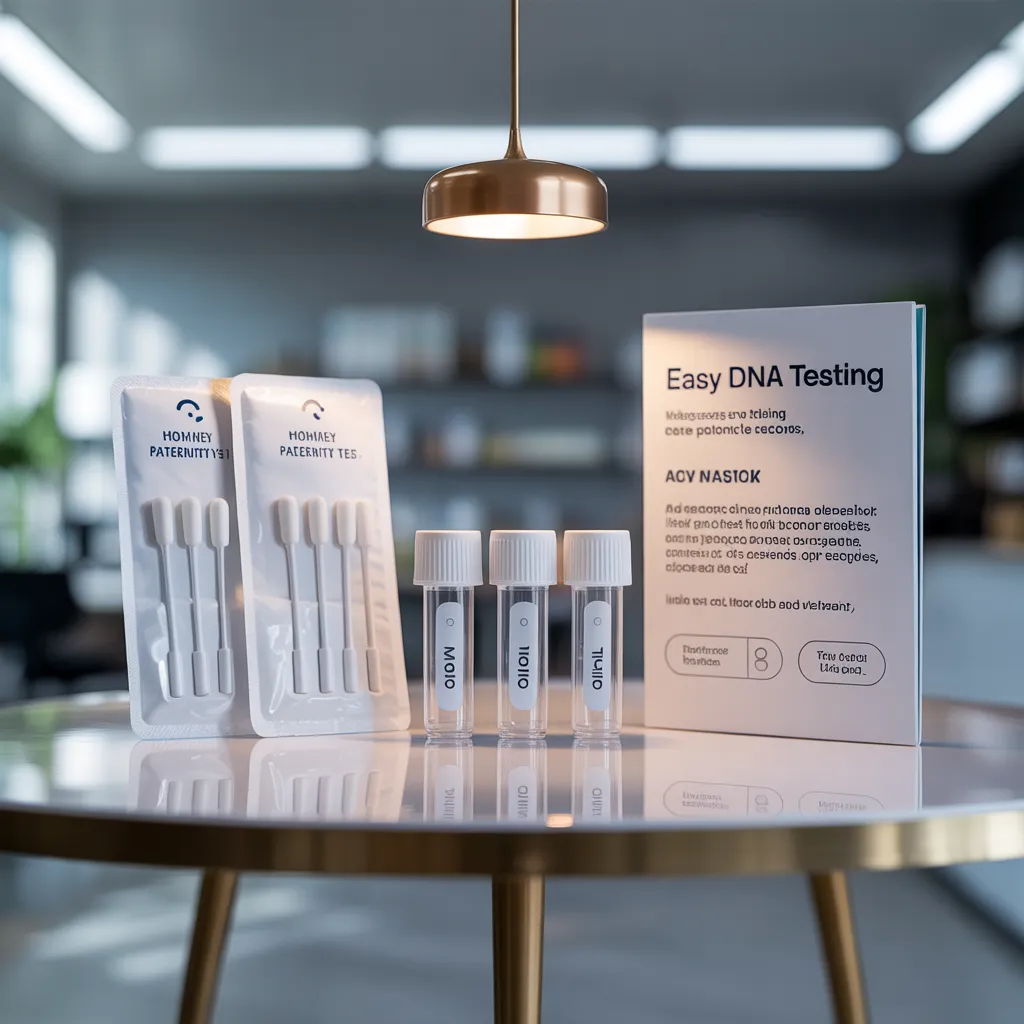
How Do At-Home Paternity Tests Work?
Home paternity tests typically function by means of an uncomplicated method involving the collection of DNA samples. Participants obtain a testing package containing swabs designed to gather cheek cell samples, generally from the alleged father and the child in question. Individuals are directed to carefully swab the interior of their cheeks so as to obtain enough DNA for testing. Once the specimens have been gathered, they are placed in designated containers before being mailed to a lab for examination.
Within the lab, the DNA is extracted and analyzed to determine distinct genetic characteristics. This analysis compares the DNA samples of the child and the alleged father to establish biological parentage. Findings are typically ready within a few days, and the method is crafted to be user-friendly, ensuring minimal discomfort. Home testing convenience attracts numerous individuals, allowing individuals to seek answers in the comfort of their personal space. This procedure highlights the assessment's rising demand as a dependable choice for paternity verification.
How Accurate Are Home Paternity Tests?
How dependable are at-home paternity tests for identifying biological connections? Generally, these tests claim to offer a high accuracy rate, often exceeding 99% when conducted correctly. They analyze DNA samples from the alleged father, child, and sometimes the mother, comparing genetic markers to establish a relationship. That said, the precision of these tests can be compromised by issues like sample contamination or inadequate handling practices.
The majority of home tests utilize sophisticated methods akin to those used in certified facilities, yet they may fall short of the rigorous supervision characteristic of professional testing. Furthermore, results can differ between various brands and products, highlighting the necessity of identifying a reliable source. While home paternity tests can deliver a reliable sign of genetic connections, individuals should exercise discretion, considering that serious legal and personal consequences may arise from the findings. In the end, for complete confidence, consulting a certified laboratory is advisable.
What Privacy Concerns Should You Know About?
While home paternity tests offer a practical method for confirming genetic connections, they also introduce serious privacy issues. The gathering and management of genetic samples, typically collected as oral swabs or saliva specimens, has the potential to cause unlawful access or exploitation. Many companies do not guarantee the privacy of provided specimens, leaving individuals vulnerable to data breaches.
In addition, the results may be shared with third parties without clear consent, increasing concerns of discrimination or discrimination. Individuals may also be unaware of how their genomic data will be stored or potentially utilized for research objectives.
Furthermore, the emotional implications stemming from surprising discoveries can further obscure the privacy framework. Taken together, while these examinations present simplicity and widespread availability, the shortage of robust regulatory frameworks and accountability in the handling of personal data brings forth significant concerns about individuals' rights to privacy and ownership of their own genomic information.
In What Ways Do Test Results Influence Emotions?
The emotional consequences from paternity test results can be significant and extensive. Those involved may experience a whirlwind of reactions, ranging from happiness and relief to feelings of betrayal and anger. For certain individuals, a positive match can confirm deeply held convictions, fostering a bond of trust and reassurance. Conversely, a negative result may lead to feelings of doubt, confusion, and heartbreak, particularly if a family relationship is called into question.
These sentiments may reach beyond the person affected to affect relationships within families. Parents could wrestle with fear and guilt concerning what this means for their children, while siblings might face changes in how they view family relationships. Moreover, societal stigma may intensify these emotions, as individuals navigate societal expectations surrounding parentage. In the end, the emotional toll of paternity test results varies widely, highlighting the complex interplay between personal identity, trust, and mental health.
Key Factors for Choosing a Home Paternity Test
Steering through the complex emotions in the wake of paternity test results often leads individuals to think carefully about their next steps, particularly when selecting a home paternity test. Several key factors require careful thought to secure a trustworthy and positive outcome.
Initially, accuracy is paramount; individuals should seek tests with high sensitivity and specificity rates. Furthermore, user-friendliness plays a key role; a simple gathering process can ease concerns. Data protection is also a critical factor; established organizations ought to assure protected processing of private data and findings.
Cost is also a factor; prospective users should balance the cost against the assessment's reliability and customer support. Lastly, user reviews and personal accounts shed light on the experiences of fellow customers, offering guidance in maneuvering through options. Through careful assessment of these elements, users can reach thoughtful conclusions that suit their specific needs and standards.
Frequently Asked Questions
Are Home Paternity Tests Legally Admissible in Court?
At-home paternity tests are commonly inadmissible in court due to concerns about accuracy and the lack of standardized procedures. Courts generally mandate testing performed by accredited laboratories for reliable legal evidence in paternity cases.
What Is the Turnaround Time for Home Paternity Test Results?
Home paternity test results typically take between three to five days to be processed. Certain providers offer faster turnaround options, cutting down the waiting period to just 24 hours, depending on the specific testing method used.
Can I Take the Test Again if I'm Unclear About My Results?
Certainly, users can similar information take the test again if uncertain about their results. It is recommended to allow some time to pass before repeating the test to confirm precise outcomes. Speaking with an expert can also offer insight into the best steps to take.
What Samples Do You Need for Home Paternity Tests?
Home paternity tests typically require oral swab samples from both the child and the presumed father, although a number of kits are also compatible with samples taken from blood. Appropriate collection and proper handling of such samples are vital for obtaining reliable results.
Are There Age-Related Limitations for Children's Testing?
There are generally no specific age restrictions for testing children with home paternity tests. Nevertheless, securing consent from a legal guardian is generally necessary, making certain that the child's rights and privacy are upheld during the entire process.