The Rise of Home Paternity Tests: Reliability, Discretion, and Accessibility
The rise of residential paternity testing reflects a considerable transformation in how individuals navigate paternity confirmation. With reliability rates commonly reaching beyond 99%, these tests offer a practical approach for DNA sample collection. However, significant worries regarding privacy about personal genetic information remain prevalent. As more people evaluate these tests, they must carefully assess the consequences of privacy, accuracy, and emotional impact. What factors should they prioritize in their decision-making process?
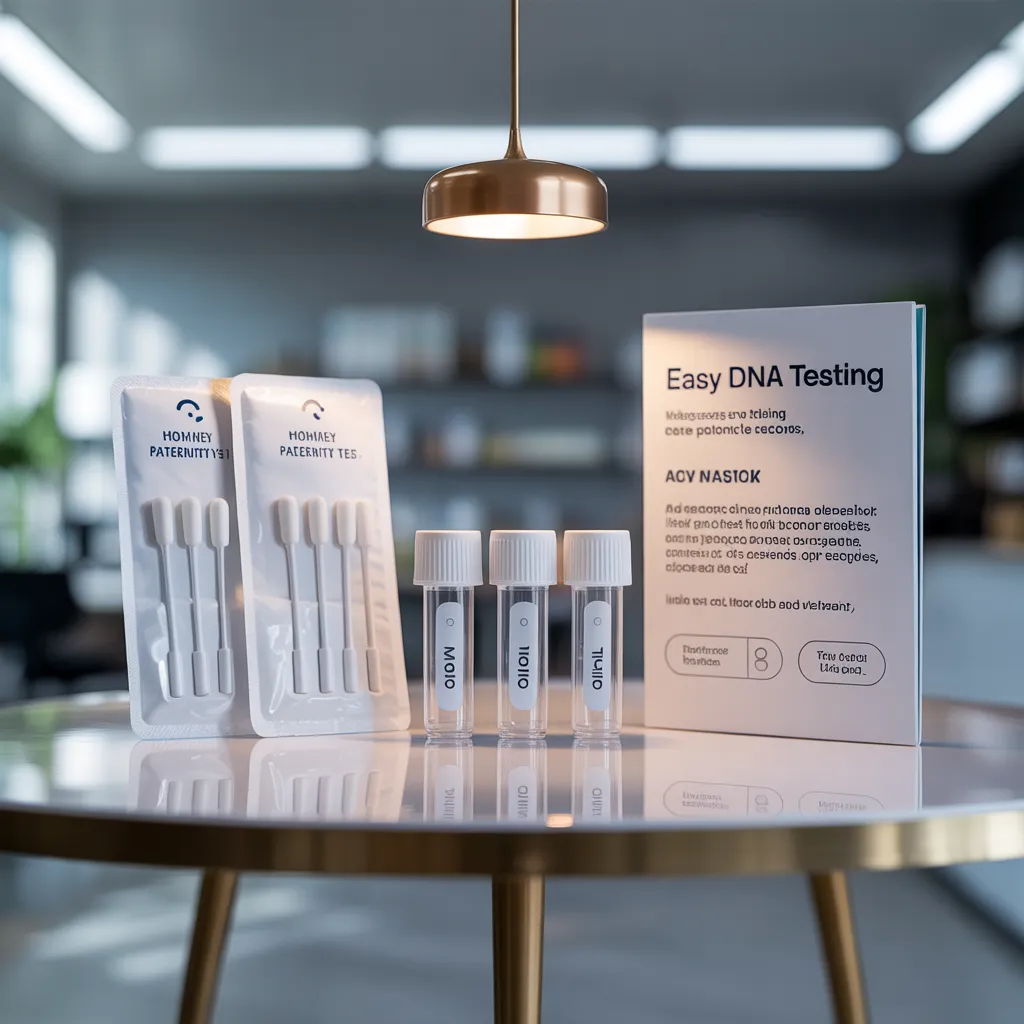
How Do At-Home Paternity Tests Work?
Residential paternity tests commonly work by means of an uncomplicated method centered around collecting genetic material. Individuals receive a testing kit containing swabs designed to gather cheek cell samples, typically from the potential father and child. Users are instructed to gently rub the swabs inside their cheeks to gather sufficient DNA material. After presentation collecting the samples, they are placed in designated containers and sent to a laboratory for analysis.
In the lab, the DNA is extracted and analyzed to identify specific genetic markers. This evaluation matches the DNA samples of the child and the alleged father to establish biological parentage. Results are usually available within a few days, and the procedure is intended to remain user-friendly, providing minimal stress. The convenience of home testing appeals to many, allowing individuals to seek answers in the seclusion of their own home. This procedure highlights the examination's increasing recognition as a dependable choice for paternity verification.
How Accurate Are Home Paternity Tests?
What level of accuracy do home paternity tests provide in establishing biological relationships? In most cases, these tests are reported to deliver a high accuracy rate, commonly exceeding 99% when administered under the right conditions. They analyze DNA samples from the alleged father, child, and sometimes the mother, comparing genetic markers to establish a relationship. Nevertheless, the reliability of results may be affected by elements such as sample contamination or incorrect handling procedures.
Most home tests employ sophisticated methods akin to those used in certified facilities, yet they may be without the strict quality control associated with professional testing. Furthermore, results can differ between competing kits and providers, emphasizing the importance of identifying a trusted supplier. While home paternity tests can offer a strong indication of biological ties, individuals should proceed carefully, bearing in mind that legal and emotional implications may result from the findings. In the end, for absolute certainty, seeking guidance from an accredited lab is strongly encouraged.
What Are the Privacy Concerns?
While home paternity tests offer a convenient way to establish familial biological ties, they simultaneously present significant privacy concerns. The gathering and management of genetic samples, commonly obtained through cheek swabs or saliva samples, may result in unauthorized access or misuse. Many companies do not guarantee the privacy of provided specimens, leaving individuals vulnerable to privacy violations.
In addition, the results may be disclosed to third parties without explicit consent, heightening fears of stigmatization or bias. Individuals may also be unaware of how their genetic data will be retained or potentially utilized for research objectives.
Additionally, the emotional consequences associated with unforeseen outcomes can create additional challenges within the privacy landscape. On the whole, while these tests provide convenience and broad access, the lack of stringent regulations and openness in how data is managed generates important inquiries about people's fundamental right to privacy and ownership of their own genomic information.
In What Ways Do Test Results Influence Emotions?
The emotional consequences from paternity test results can be deep and wide-ranging. Individuals may experience a spectrum of feelings, ranging from happiness and relief to feelings of betrayal and anger. For certain individuals, a positive match can confirm deeply held convictions, fostering a feeling of belonging and stability. Conversely, a negative result may lead to a sense of confusion, disbelief, and sorrow, particularly if a familial bond is challenged.
These emotions can extend beyond the individual to impact bonds within the family unit. Parents may grapple with feelings of guilt or anxiety regarding the impact on their kids, while siblings could encounter changes in how they view family relationships. Additionally, public stigma can worsen these sentiments, as people manage the social pressures related to parenthood. In the end, the psychological impact of paternity testing outcomes can vary significantly, highlighting the complex interplay between sense of self, trust, and psychological wellness.
Important Factors to Consider When Choosing a Home Paternity Test
Navigating the complex emotions in the wake of paternity test results frequently causes people to think carefully about their next steps, particularly when deciding on a home paternity test. A number of important considerations require careful thought to guarantee a trustworthy and positive outcome.
As a primary consideration, accuracy is paramount; users should pursue tests that demonstrate strong sensitivity and specificity ratings. Furthermore, usability is of great importance; a straightforward collection process can alleviate stress. Personal privacy stands as another important issue; established organizations ought to assure protected processing of private data and findings.
Expense is also a key factor; potential users should weigh the price against the test's credibility and support services. In addition, user reviews and personal accounts shed light on the experiences of fellow customers, providing direction when navigating available choices. Through careful assessment of these elements, individuals can make informed choices that align with their needs and expectations.
Frequently Asked Questions
Can Home Paternity Tests Be Used as Legal Evidence in Court?
Home paternity tests are typically inadmissible in court owing to reliability issues and a lack of consistent testing protocols. Judicial proceedings commonly require tests conducted by accredited laboratories for reliable legal evidence in paternity cases.
What Is the Turnaround Time for Home Paternity Test Results?
Home paternity testing results usually take between three to five days to process. A number of companies provide faster turnaround options, reducing the wait time to approximately 24 hours, subject to the specific method of testing chosen.
Can I Retest if I'm Unsure of Results?
Indeed, people can repeat the test if uncertain about the results. It's advisable to allow some time to pass before testing again to ensure reliable results. Speaking with an expert can also offer insight into the right path forward.
What Samples Are Needed for Home Paternity Tests?
Home paternity tests generally need cheek swabs from the child as well as the potential father, though some kits may also accept samples taken from blood. Proper collection and handling of these samples are essential for accurate results.
Are There Age Restrictions for Testing Children?
Generally speaking, there are no strict age restrictions for conducting home paternity tests on children. Nevertheless, securing consent from a legal guardian is generally necessary, guaranteeing that the child's rights and personal privacy are honored throughout the procedure.