Get Credentialed as a Nursing Assistant With Expert CNA Development
Becoming a Certified Nursing Assistant (CNA) delivers substantial benefits in the healthcare sector. Through expert training, individuals develop vital skills and knowledge needed for effective patient care. The expanding demand for CNAs secures job security and promising career advancement. Understanding the training process and certification requirements is important. What elements should prospective CNAs weigh as they commence on this path? Examining this can shed light on the journey ahead.
Primary Drivers to Work as a CNA
Becoming a Certified Nursing Assistant offers many benefits that appeal to individuals seeking a fulfilling profession in the medical field. One important benefit is the chance for hands-on patient care, allowing Certified Nursing Assistants to create a positive difference on patient lives. The demand for Certified Nursing Assistants continues to grow, guaranteeing job stability and many job prospects throughout different environments, such as hospitals, nursing homes, and home health care.
Additionally, the education required to enter as a CNA is quite limited, permitting individuals to join the employment market promptly. This ease establishes the field an attractive choice for those wanting to start a profession in medicine without major schooling. CNAs likewise have the potential to advance in their careers in the medical field, creating opportunities for additional education and certifications. All in all, the blend of job stability, self-fulfillment, and career growth possibilities establishes entering as a CNA a compelling selection for numerous future healthcare workers.
Key Skills You'll Gain in CNA Programs
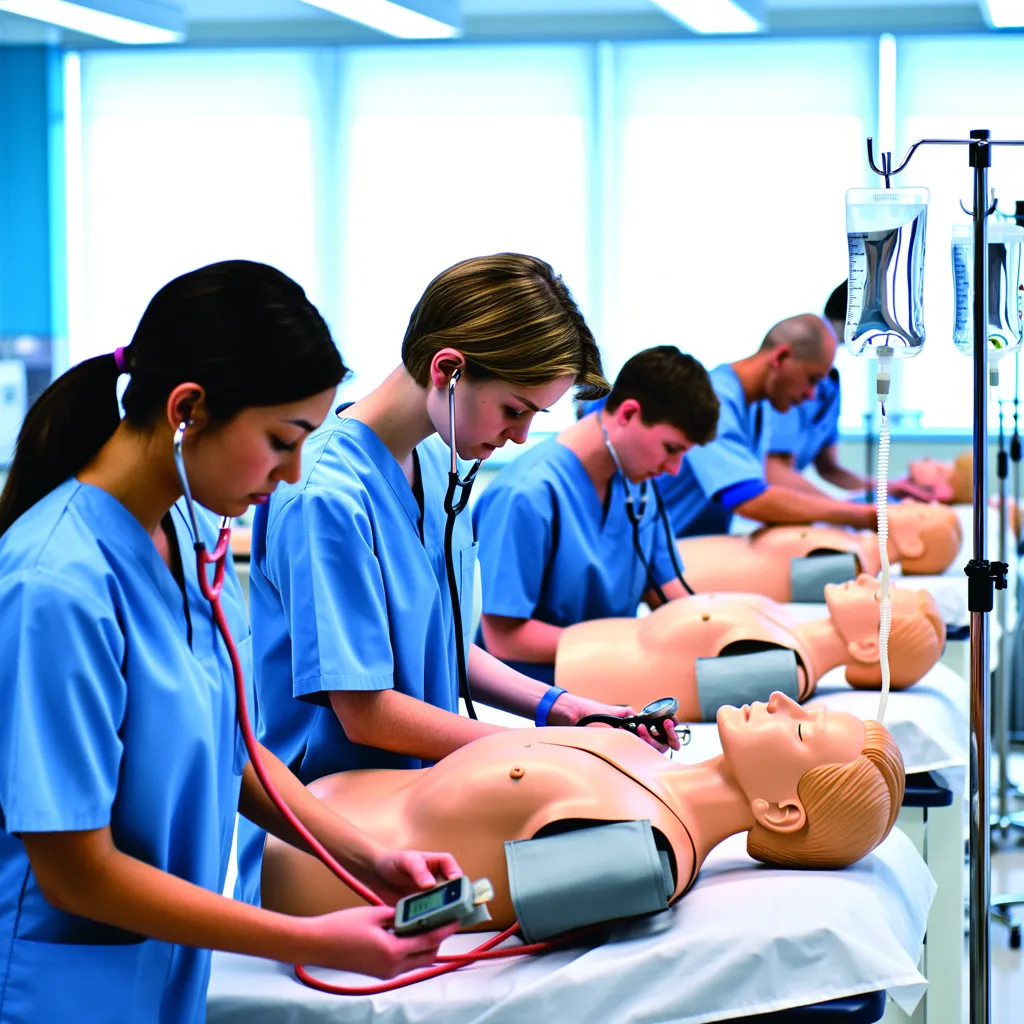
CNA training equips individuals with a fundamental skill set necessary for delivering quality patient care. One of the core skills developed is strong communicative abilities, enabling CNAs to engage compassionately with patients and their families. Additionally, students learn essential monitoring techniques, enabling them to assess vital signs and communicate updates to nursing staff precisely.
Personal care abilities, such as bathing, dressing, and nourishing patients, are essential elements of the training, ensuring that CNAs can assist patients with daily activities. Infection control practices also constitute a substantial part of the curriculum, emphasizing hygiene and safety protocols required to prevent the spread of illness.
Moreover, CNAs develop expertise in basic medical procedures, such as helping patients move and operating medical equipment. Overall, the training covers a comprehensive approach to caring for patients, equipping individuals to address the diverse needs of those they serve effectively.
Grasping the CNA Learning Pathway and Certification
The CNA educational experience encompasses numerous essential aspects, addressing an introduction to certification requirements, effective techniques for exam success, and potential employment opportunities. Grasping these concepts is important for future healthcare aides as they progress toward their professional credentials. Every aspect contributes a vital function in achieving a successful transition into healthcare employment.
CNA Course Requirements Summary
While aspiring healthcare professionals may feel overwhelmed by the certification process, understanding the training requirements for Certified Nursing Assistants (CNAs) is essential. To become a CNA, individuals must complete a officially approved training program, which generally includes both instruction in class and clinical practice. Most programs require at least 75 hours of training, though some states may mandate additional hours. Candidates are also required to pass a background screening to maintain a safe environment in healthcare facilities. After completion, they are eligible to take the certification exam. Moreover, some states may have specific prerequisites, such as minimum age rules or high school diploma proof. Familiarity with these requirements can help facilitate the path to becoming a authorized nursing professional.
Tips for Getting Ready for your Certification Test
Successfully finishing a state-approved education course marks a significant milestone for aspiring CNAs, yet the process doesn't end there. Preparing for the certification exam demands a focused strategy. Candidates should review the content taught during their instruction, emphasizing key areas such as patient care, security procedures, and disease prevention. Utilizing practice exams can help acquaint them with the exam format and query styles. Additionally, creating learning teams can foster group education, allowing candidates to clarify concerns and reinforce knowledge. Schedule planning is essential; setting a learning timetable guarantees thorough examination of all subjects. Finally, maintaining a positive mindset and practicing stress-relief methods can alleviate test-induced stress, improving overall performance on test day.
Work Positioning Openings Available
Finishing CNA training creates a range of employment opportunities, as numerous healthcare facilities actively look for CNAs to fulfill their staffing requirements. Hospitals, nursing homes, and assisted living facilities are among the key employers, often providing variable shifts to accommodate various schedules. Additionally, CNAs may discover opportunities in rehabilitation centers, home healthcare agencies, and outpatient clinics. With the rising demand for healthcare services, job security for CNAs remains stable. Many training programs also deliver job placement assistance, linking graduates with potential employers. Networking within the healthcare community and utilizing online job boards further boost employment prospects, making the shift from training to the workforce smoother for newly certified nursing assistants.
Primary Perks of CNA Credential
Attaining CNA certification offers multiple benefits that elevate both professional opportunities and growth. Most importantly, it provides individuals with essential skills and knowledge required to deliver excellent patient care. This preparation fosters confidence and competence within various healthcare environments, which can significantly improve job performance.
Furthermore, certification frequently result in greater job security, as many employers demand certified candidates. This credential not only broadens the scope of potential employment but also enhances earning potential. Additionally, CNAs frequently gain valuable experience that can function as a stepping stone for advanced positions in the healthcare field, such as nursing.
At a individual level, the credentialing procedure promotes compassion and communication skills, essential traits for effective patient interaction. Ultimately, becoming a certified nursing assistant provides individuals with a strong base for a rewarding career in healthcare, while cultivating a sense of satisfaction through helping others.
CNA Career Openings
CNA career prospects are copious and span a multifaceted range of employment contexts, including hospitals, nursing homes, and home health care. This richness of opportunities not only affords flexibility in employment contexts but also opens pathways for career advancement. As CNAs accumulate practical experience, they may explore advanced education and specialization, reinforcing their professional progression.
Diverse Work Environments
A Nursing Assistant Professional can discover opportunities in a variety of settings, each offering novel challenges and obstacles. These settings include hospitals, nursing homes, assisted living facilities, and home healthcare services. In hospitals, CNAs often work alongside a cross-functional team, giving direct patient care and support services during recuperation. Nursing homes and assisted living facilities expect CNAs to cultivate connections with residents, emphasizing prolonged care and emotional support. Home healthcare gives CNAs to furnish bespoke support in a residential setting, often building strong connections with clients and their families. Each setting displays distinct tasks, highlighting the adaptability and diverse skill set essential for superior patient care in the nursing profession.
Job Progression Directions
Delving into opportunities for career progression reveals various chances for Certified Nursing Assistants. Equipped with foundational skills and experience, CNAs can move into roles such as Licensed Practical Nurse (LPN) or Registered Nurse (RN) by acquiring additional education and training. Many organizations offer tuition reimbursement, facilitating further educational pursuits. Moreover, CNAs can obtain specialized certifications in areas such as geriatrics, pediatrics, or mental health to improve their marketability and expertise. Management roles like CNA supervisor or nursing home administrator also become attainable, providing leadership opportunities. Networking see more within healthcare settings can help unlock these possibilities. Ultimately, with commitment and continuous learning, CNAs can substantially elevate their careers and make a deeper impact on patient care.
Strategies to Effectively Ace the CNA Credential Exam
Successfully passing the CNA certification exam involves strategic preparation and a deep comprehension of the material. Future healthcare professionals should begin by going over the exam content outline provided by their state's regulatory body, focusing on essential topics such as resident care, workplace safety, and professional communication. Utilizing practice tests is indispensable, as they introduce candidates with the examination structure and varied question formats.
Study groups can enhance learning by allowing candidates to debate intricate topics and communicate insights. Proper time allocation during the exam is crucial; candidates should develop controlling their pace to make sure they address all questions.
In addition, hands-on skills in a clinical setting is indispensable. Candidates should seek openings to show competence in fundamental skills like capturing vital signs and facilitating daily living activities. Overall, extensive preparation and consistent practice greatly enhance the likelihood of passing the CNA certification exam.
Frequently Asked Questions
What Does a Licensed Nursing Assistant Earn on Average?
The typical income for a certified nursing assistant generally ranges from $25,000 to $35,000 each year, reliant upon factors such as experience, location, and the particular healthcare facility where they are employed.
Can I work as a CNA Without Certification?
No, individuals cannot operate as a Certified Nursing Assistant (CNA) without certification. Most states mandate formal training and successful completion of a certification exam to guarantee essential skills and knowledge for healthcare delivery.
What timeframe should you expect for completing CNA instruction?
CNA programs normally last four to twelve weeks, contingent on the particular course and state standards. This period includes both classroom learning and hands-on clinical experience to ensure complete training for the certification assessment.
Are There Any Age Restrictions to Become a CNA?
There are usually no stringent age requirements to become a Certified Nursing Assistant. However, many professional courses require candidates to be at least 18 years old, while some may accept younger individuals with guardian permission.
What Do you need to know about the Continuing Education Mandates for CNAS?
Education requirements for CNAs typically entail fulfishing a defined quantity of units in instruction or training programs every two years. This confirms they stay knowledgeable about current standards and preserve their certification.